A first campout does not need an ambitious destination or a garage full of equipment. This guide is for a one-night stay at an established, vehicle-accessible campground in mild conditions. Treat it as a planning framework: the campground’s rules and the actual forecast decide what belongs in your bag.
Choose a manageable first night
Write down what would make this trip feel successful: sleeping outside, cooking one simple meal, or taking a short walk from camp. Choose a destination that supports that goal without a long journey or a complicated arrival. Keep an easy way to shorten the trip if the weather or your plans change.
Before reserving, confirm access, opening dates, water, toilets, food-storage rules and check-in times with the campground. A map symbol does not guarantee a working tap or an available site. Save the reservation and directions for offline use.
Prepare before you pack
REI’s beginner camping guidance recommends borrowing or renting major equipment before committing to a purchase. Put the borrowed tent up at home, check that the poles and stakes are present, and lie on the sleeping pad. A short rehearsal can reveal a missing part while you still have time to fix it.
Make one packing list for the whole group, with a name beside shared items. Separate things you must have on arrival from things you will unpack later. Keep the headlamp, rain layer and reservation details accessible rather than buried beneath bedding.
A practical sequence for the trip
- The day before: check conditions and closures; confirm the route, reservation and return plan.
- Before departure: pack by task—shelter, sleep, food, clothing and cleanup—and check shared equipment together.
- On arrival: read the posted rules, locate water and toilets, and set up the shelter before unpacking the rest.
- Before dark: organize your sleep system, prepare a simple meal and secure food according to local rules.
- Before leaving: account for equipment, collect litter and leave the site ready for the next visitor.
Common first-trip mistakes
Avoid making every part of the evening new. An unfamiliar stove, an elaborate recipe and a late arrival compete for the same attention. Choose food you already know how to prepare and rehearse unfamiliar equipment at home.
Do not buy an entire kit from somebody else’s packing photo. Separate required items from optional comforts. For a first night, a chair you already own or a borrowed cooking pot may be a better decision than an expensive upgrade.
Your equipment checklist
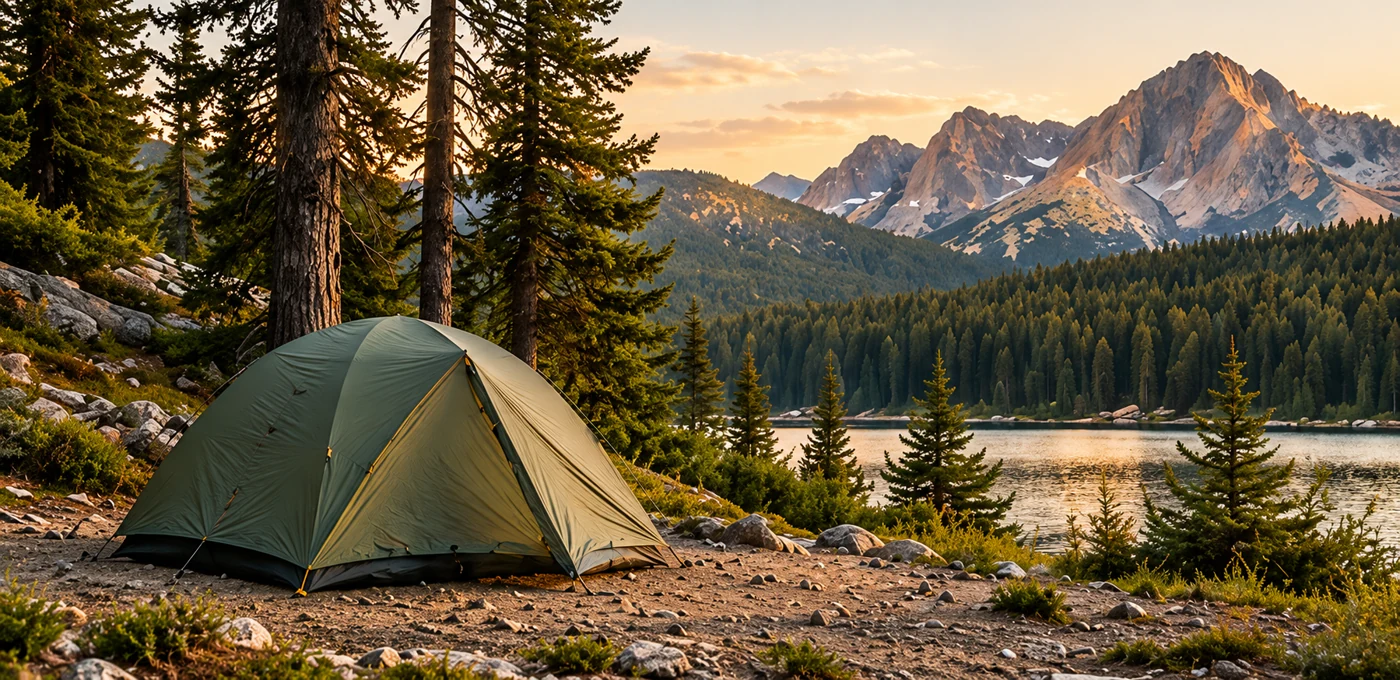
- Shelter: tent, matching poles, stakes, guylines and any required footprint.
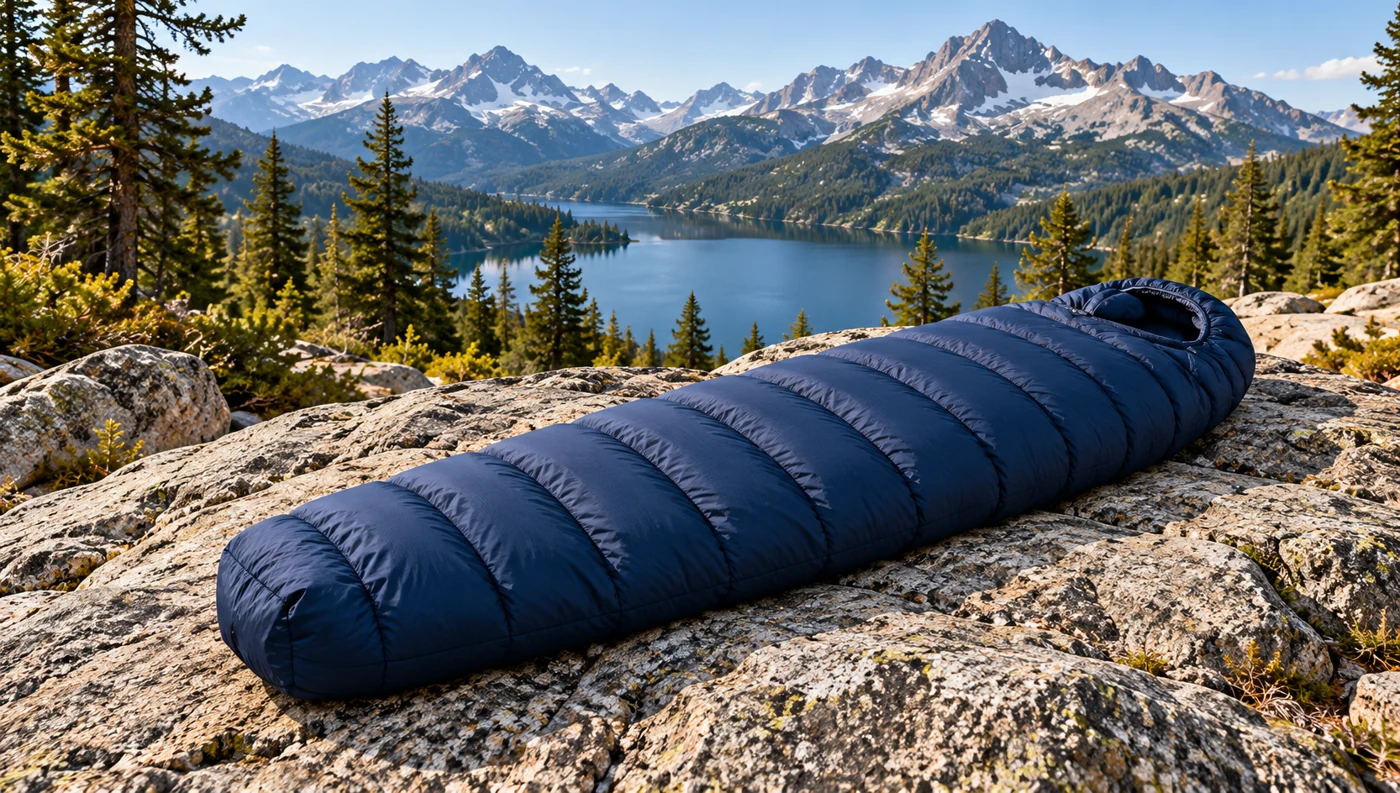
- Sleep: sleeping bag or bedding suited to the forecast, insulated sleeping pad and dry sleeping clothes.
- Clothing: layers, rain protection, spare socks and footwear suitable for the site.
- Food and water: planned meals, drinking water or a confirmed supply, cooking equipment if needed, and approved food storage.
- Lighting and essentials: headlamp, spare power, basic first aid, personal medications, navigation and a communication plan.
- Cleanup: rubbish bags, reusable utensils and supplies appropriate to the campground’s facilities.
Keep notes for next time
After unpacking at home, mark what you actually used, what you missed and what you could borrow again. Dry the tent and bedding before storage. Your own short equipment notes are a more useful starting point for the next trip than buying more items immediately.
Sources & verification
Sources checked October 21, 2026. Specifications and general guidance can change; consult the current source for the exact product or destination.
Written with AI assistance. Original editorial explanations; no claimed personal field experience. Editorial policy · Suggest a correction